Appealing Denials for Mental Health and Substance Abuse Treatment

Compassionate care to overcome mental health and addiction

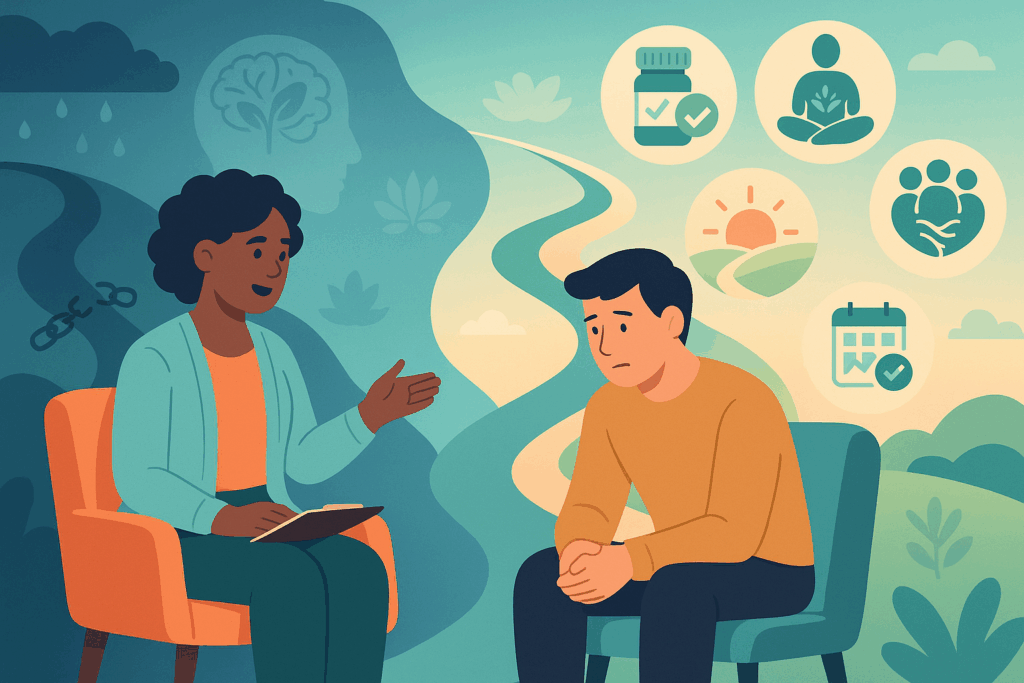
Mental health and substance use challenges rarely exist in isolation, so our care connects the two from day one. We start with a compassionate, judgment-free assessment to understand symptoms, triggers, and goals. Your plan blends evidence-based therapy (like CBT/DBT), medication-assisted treatment where appropriate, and practical skills for daily life. We coordinate closely with primary care and specialists to manage co-occurring conditions safely. Family or chosen-support involvement is welcomed, with education that builds understanding and accountability. Intensive options, step-down care, and relapse-prevention planning create a steady path forward—not a quick fix. Telehealth and in-person sessions keep treatment accessible, private, and consistent. Case managers help with benefits, authorizations, and community resources to reduce stress. Measurable goals, regular check-ins, and outcome tracking ensure your care adapts as you heal. Most of all, you’re met with dignity, hope, and a clear plan for lasting recovery.

Recovery is most effective when care fits real life, so we tailor treatment around your schedule, culture, and readiness for change. We begin with a trauma-informed intake that explores mental health symptoms, substance patterns, and strengths, then set clear goals you help define. Therapy may include CBT, DBT, motivational interviewing, or EMDR, paired with medication-assisted treatment when clinically appropriate. Harm-reduction strategies keep you safer today while we work toward longer-term sobriety and stability. You’ll have a crisis plan, coping tools, and 24/7 resources so tough moments don’t derail progress. Peer support and family education reinforce new habits and reduce stigma at home. Care coordinators streamline referrals, labs, and prescriptions, and help navigate benefits or authorizations. We track outcomes—mood, cravings, sleep, function—so your plan adjusts as you improve. Telehealth, in-person sessions, and groups make access flexible and private. Through steady, coordinated steps, you regain control and build a sustainable path forward.

 

From there, we build a personalized plan that may blend CBT, DBT skills, and motivational interviewing with medication support when indicated. We address co-occurring disorders head-on, coordinating with medical providers to stabilize sleep, pain, and other health factors that fuel relapse. Sessions focus on practical tools—craving management, emotion regulation, boundary setting, and relapse-prevention routines you can use immediately. Peer groups and optional family sessions strengthen accountability and reduce isolation. For safety, you’ll have a crisis plan, after-hours resources, and a step-up path to intensive services if symptoms spike. Care navigators help with benefits, prior authorizations, and community supports so logistics don’t block progress. Telehealth, in-person, and evening options keep treatment accessible and discreet. We track outcomes—function, cravings, anxiety, and quality of life—to adjust your plan as you grow. The goal is steady, sustainable change that restores clarity, connection, and confidence.


Legal Advocacy for Denied Healthcare Claims

Was Your Care Denied? Start Your Appeal Today